
What Is a Producer Tag? The Voice at the Start of the Beat

Every type beat you have ever clicked on opens the same way: a voice, one line, less than two seconds, and then the drums. That voice is a producer tag, and it does more work than most listeners realize. It names the person who made the beat at the exact moment somebody decides whether to keep listening, which in a market where thousands of instrumentals look identical in a search result is the only thing that travels with the file.
What a producer tag actually is
A producer tag is a short sound, usually a spoken phrase, that identifies the producer of a beat. It normally sits at the very start of the song or right before a drop. It is not a credit in the metadata and not a signature on a contract: it is audio branding, closer to a radio station jingle than to a legal document.
The phrase is often the producer's name spoken by somebody else. Metro Boomin built a large part of his identity on tags performed by Future and Young Thug, and Young Chop's "Young Chop on the beat" was recorded by his own nephew. Not every tag is a voice: Pharrell's four count and Lex Luger's synth crescendo are tags too, because the listener recognizes them before a word lands.
Where the idea comes from
Shouting a name over a record is older than any beat marketplace. The habit grows out of spoken drops by mixtape DJs and out of rappers announcing themselves over instrumentals, and it became a fixed element of hip hop once trap took over in the late 2000s. What changed was who the voice belonged to: first the DJ, then the rapper, and finally the person who made the beat.
The watermark reason
The first job of a tag was protection. An untagged MP3 can be renamed, reposted and claimed by anybody, with no proof left of who made it. A tag at the start survives a repost, a screen recording and a phone speaker. Licenses and registration cover the legal side; the tag covers the part that happens before anybody reads a contract.
That is also why previews sometimes carry the voice more than once, over the intro and again before the first drop: a beat with a name stamped through it cannot be used as a finished song. The shared file is normally clean, because the tagged version is the shop window and the untagged one is the product.
What makes a tag work
- Short. Two to four words, under two seconds. Longer than that it is an intro, and intros get skipped.
- One voice, not a crowd. A single clear phrase cuts through a mix; layered shouts turn into noise.
- Readable. A little pitch shift or saturation is fine, heavy effects are not: an unintelligible name does no work.
- The same tag every time. Recognition comes from repetition, so pick one phrase and keep it for years.
- A name people can search. If the tag says a nickname, the artist page has to use the same nickname.
How to make one at home
You do not need a studio: a phone and a DAW are enough, and most of the character comes from the phrase, not the gear.
- Write a line that sounds natural spoken fast: your name plus a verb, or a short phrase with some attitude.
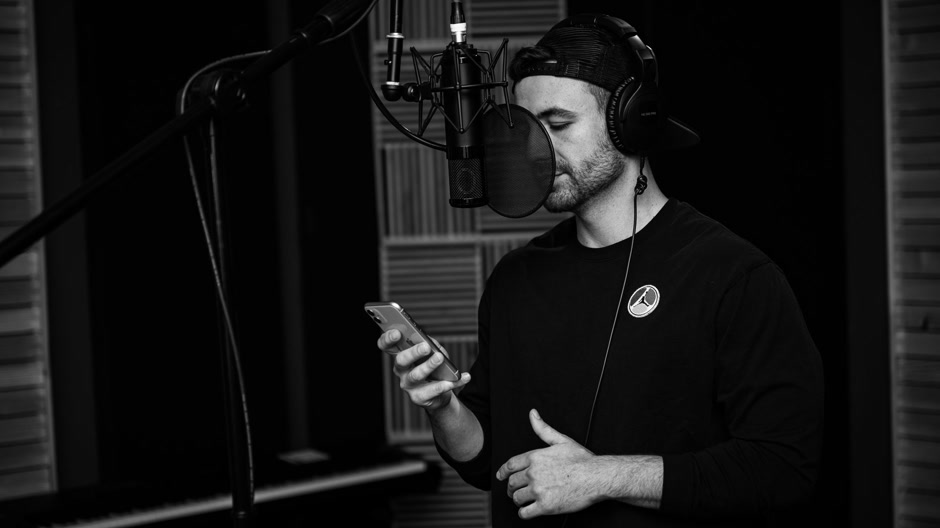
- Record it close to the microphone, several takes, and keep the one with the most energy.
- Pitch it down a semitone or two, add saturation and a short reverb, then trim the tail so the beat starts clean.
- Place it at the very beginning, drop a copy before the first hook, and bounce a tagged and an untagged file.
Tags, licenses and the beat you sell
A tag does not register copyright and does not replace a split sheet. It makes ownership obvious in the first second of playback. Keep the phrase yours: copying another producer's tag is deceptive, and using a famous voice without permission is a different problem with different lawyers.
When a beat is licensed, the preview normally carries the tag and the delivered file does not, and the exact wording lives in the license. A beat like Hot Sauce, a bouncy trap groove with a hook already written in, is where a tag earns its keep: the name at the top of the file is what makes the next search happen.

The same logic runs across the rest of the instrumental catalog: a listener who liked one beat goes looking for the producer, not for the file. Tags are how that search starts, and the trap instrumentals side of the site is where the habit was built.
Questions people ask about producer tags
What is a producer tag in a song?
The short voice or sound at the start of a track that names the producer, usually under two seconds and placed before the drums or before a drop.
How long should a producer tag be?
Two to four words. Under a second is enough to register a name; past three or four seconds it becomes an intro.
Can I use another producer's tag?
No. A tag identifies a specific person, so using somebody else's is misleading at best and an infringement of their voice or brand at worst.
Do I get an untagged beat when I buy one?
Usually yes, and the license is where that promise lives: leases and exclusive deals normally deliver a clean file while the preview stays tagged.


