
How to Write a Song to a Beat: A Practical Guide
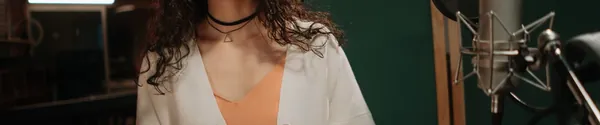
Learning how to write a song to a beat is about making the music and vocal point in the same direction. Listen to the full instrumental. Notice where drums open up, melodies change and a voice could enter.
Use a simple workflow: choose one idea, sketch the sections, find the chorus, then test the words on the beat. The plan can change. Each choice should help the listener feel or understand something by the end.
Begin with one feeling, not a full storyline
Write one plain sentence about the song. “I want to leave” is a start; “I keep packing, then putting everything back” gives you an action. You need a subject to return to when a rhyme pulls you elsewhere, not a perfect opening line.
Collect a few details that belong to the idea. A song is easier to finish when every section has one shared center. Keep lines that reveal something new; save unrelated thoughts for another track.
Outline the song structure before you write every line
Make a rough map of the instrumental. Mark where the vocal enters, the chorus returns and the energy needs a break. It does not need a standard form.
- Opening: establish the mood or set one clear image.
- Rap verse: add details and move the idea forward.
- Chorus: state the central feeling in a phrase that can return.
- Final section: change a detail or end on a consequence.
Try a temporary phrase in each section. If the beat has a strong melodic chorus, leave space for it. The arrangement is a guide, not a template.
Pick a beat that leaves room for your voice
Check how the instrumental behaves under a vocal. A dense melody can inspire a subject but leave little room for long phrases; a simple loop can make space for a story. Listen to transitions: a change after the verse may call for a shorter chorus or a new vocal texture.
For a bright example, Pikachu pairs a playful melody with punchy drums. Test a direct verse against a lighter chorus, compare other rap instrumentals or browse happy type beats.

Choose a track that helps you hear a performance, not just a loop. If you find a beat on YouTube, check its license before releasing the song. A free download does not automatically allow every use.
Build the chorus around the clearest phrase
Find the shortest line that carries the song’s feeling and say it aloud in a few rhythms. Keep the version that is easy to remember and sounds like you. A conversational phrase can make a stronger chorus than a line written only to look clever.
Repeat key words, change the melody or let a second voice answer. A memorable chorus gives the listener a place to return to. If it feels crowded, remove a word or leave a pause.
Write a rap verse that develops the story
Give each rap verse a small job. One can set up a situation; the next can show a consequence or a change in perspective. A room, an unread message or a route home can carry more feeling than a general statement.
Read the draft aloud before chasing rhymes. Mark words that deserve emphasis and try sounds around them. Keep the line that says what you mean, even if a simpler rhyme fits better.
Record a demo, then refine the vocal performance
Record a simple demo once you have a chorus and part of a rap verse. Listen for rushed phrases, awkward breaths and words hidden by the melody. Shorten a line, shift its stress or leave a gap instead of adding filler.

Listen once for the words and once for the performance. Is the story clear? Does the performance feel relaxed, urgent or playful in the right places? The beat should support the vocal, and the vocal should make the beat personal.
Revise the whole song as one piece
Play the sections in order. Does the opening lead into the rap verse, does the chorus feel earned, and does the ending arrive? Rap song structure examples offer ideas, but your arrangement can be shorter or less symmetrical.
Change one thing at a time. Cut repeated explanations, keep the strongest image and let the instrumental carry a moment when lyrics would weaken it. When each section adds to one idea, you have a complete draft.
Frequently asked questions
Should I write lyrics before choosing a beat?
Either order works. A beat can suggest a mood, while a lyric idea can help you compare instrumentals. Keep the draft flexible until the words and music fit.
How do I write a chorus for a beat?
Start with the song’s clearest feeling and turn it into a short phrase. Say it over the chorus section and simplify any wording that is hard to remember.
Can I write a song over a free YouTube beat?
You can write and record a demo, but check the license before distributing it. Free to download does not mean free for every release or use.
How do I know if my lyrics fit the beat?
Record a rough take and listen for rushed phrases, awkward breaths and words hidden by the music. If the delivery feels natural and the idea stays clear, the lyrics fit.


