
How to Freestyle Rap: A Routine That Actually Works

Freestyling looks like a gift until you try it in front of someone. The words dry up, the beat keeps moving, and a brain that writes good verses in ten minutes suddenly has nothing to say. Almost nobody starts out able to improvise, and the rappers who make it look easy have spent hours on drills that have nothing to do with talent.
This is the routine that takes a silent room to a freestyle you can perform: what to practise, in what order, and which instrumentals make the first months less punishing.
The freeze is an attention problem, not a talent problem
Written lyrics give your attention one job: say the next line. Freestyling splits it three ways, between the next rhyme, the pocket of the beat and whatever is happening in the room. Under that load the brain reaches for the easiest option, and the easiest option is silence.
Almost everyone who freezes is not out of words, they are out of working memory. The fix is to make two of the three jobs automatic: the beat stops asking for attention once you know the instrumental well, and the rhymes stop needing a search once you have drilled a vocabulary you can reach without thinking. That is what the practice below builds, one piece at a time.
Build a vocabulary you can reach under pressure
Freestyle rap lyrics fail in the same place every time: the gap between the word you want and the word that arrives. Drills close that gap, and twenty minutes a day is enough when the drills are specific.
- Two-bar rhymes: pick a word and rhyme it eight times inside two bars, then change the word. Speed matters more than meaning at this stage.
- Topic jar: write twenty nouns on paper (kitchen, bus, winter, debt, a first name) and pull one every minute. Improvise four bars about it before the next pull.
- Room scan: name what you can see, in rhythm, until you run out, then describe those things instead of naming them.
- One idea, four flows: take a single sentence and rap it four ways, changing where it lands in the bar each time.
- Fill the hole: loop a beat and stop thinking in verses. Fill the next two bars, nothing before and nothing after.
Keep a note of the lines that worked. A phrase you landed once is a phrase you can land again on purpose.
Start over beats that leave room to breathe
A dense instrumental is a hard teacher. Trap with a busy hi-hat pattern pushes you to fill every gap, and that pressure is exactly what causes the freeze. Boom bap is more forgiving: fewer elements, a loop that repeats without crowding the bar, and enough space to land a whole sentence before the next kick.
A beat like Flava works as a first training ground for that reason. The drums sit in a slow, even pocket, the sample carries the mood, and nothing fights the voice in the middle of the bar.

When that loop stops feeling like work, move up a step: pick something faster from the instrumentals catalogue, spend a week on trap beats and notice where your sentences start to shorten. The shortening is normal, and it is how the pocket of a faster genre gets into your body.
Freestyle inside a structure instead of on a blank page
Improvising rappers who sound coherent are rarely starting from nothing. They run a shape: a topic, a repeated phrase, a turn at the end. Give yourself the same scaffolding and the freestyle stops wandering.
A simple one is the three-part verse. Open with a statement about the topic, spend four bars on one detail, then close on a line that flips the first statement. Another is the hook-first freestyle: invent a two-bar chorus, then improvise verses that circle back to it, so there is always somewhere to return when the words stall.
Structure is not cheating, it is what keeps a freestyle from turning into a list of unrelated boasts. The listener hears a song even when you are making it up as you go.
Record every session and listen back once
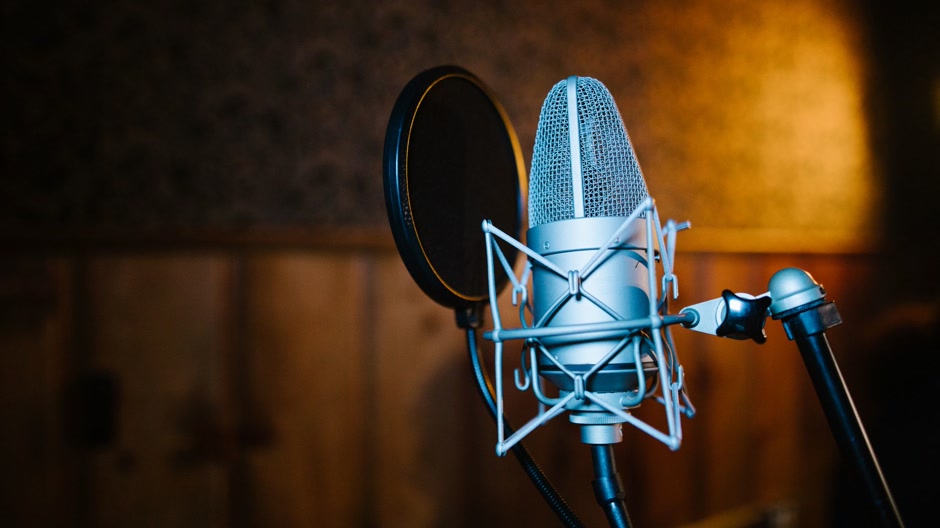
Record on your phone, without editing, and listen the same day while the take is still fresh. You are not judging the whole freestyle. You are hunting for the bars where the flow sat properly on the beat and the moments where you hesitated.
Do not fix a hesitation by writing the missing line down. Note the topic where it happened and freestyle into that topic tomorrow. After a few weeks the map of your weak spots becomes a practice plan, and it is worth more than any list of tips because it is built from your own voice.
Questions about learning to freestyle
How long does it take to learn how to freestyle rap?
Most people hold four bars on a familiar beat after two or three weeks of daily practice, and sound comfortable after a couple of months. The variable is not talent but how often you improvise out loud.
Should I practise with a beat or a cappella?
Both, in that order. A cappella shows you where your rhythm actually lives, and a beat teaches you to follow something that will not wait. Five minutes without music, then the rest of the session on the instrumental.
Why do I keep using the same rhymes?
Because they are the ones you have automated, and the brain under pressure reuses what it already has. The topic jar drill breaks the loop by forcing a subject your usual rhymes do not cover.
Does a freestyle have to make sense?
It has to sound intentional. A line can be abstract or funny as long as it lands where the listener expects a punch, and the structure drills above are what make that timing reliable.


