
How to Send Beats to Artists Without Getting Ignored

Sending a beat is a different job from making one. A producer finishes something he is proud of, finds a rapper he likes on Instagram, and sends everything at once: a ZIP with twenty tracks, a paragraph about his influences, and a promise that all of it is free. Nothing comes back, and it is rarely because the beat was bad.
The messages that do get answered look almost boring. One beat, one sentence, one link, no pressure. Most of the work happens before the first word is written, in choosing who to write to.
Write to artists who are recording right now
An artist who has not released anything in a year is not a bad contact, he is a contact for next year. Look for three signals, all of them public: he posts snippets from the studio, he credits producers by name, and he drops music often enough that a new beat can still fit into something.
The fastest research is a credit list. Open his last three tracks, read who produced them, and listen for what those producers share: the same drum palette, the same amount of empty space left for the voice, the same mood. Send something in that lane, not the beat you wish he would record on.
Keep the expectations honest: a working artist gets dozens of these a week, and the ones who answer were already looking for a beat like yours. Thirty messages written one by one beat two hundred copied ones.
One beat, chosen for that artist
Send one beat. Not a pack, not five, not a folder with the whole catalogue. Five options in one message turn your job into his, and he will not do it. If he likes the first one he will ask what else exists, and that is the message worth waiting for.
An instrumental that does half the work of the message: Stash keeps its low end readable on a phone speaker, leaves an obvious gap where the hook goes, and does not spend the whole arrangement before the first verse.

Nothing else belongs in the first message. No biography, no list of every artist you have ever worked with, no request to follow back.
The subject line decides whether the rest exists
Artists read email and DMs in the same state of mind, looking for the one message about them and skimming everything else. Three or four words are enough, and they should name the lane and the offer.
- Works: "trap beat for you", "beat for the next one", "808 beat, free to try".
- Does not: "COLLAB???", "HIT ME UP", "Exclusive beats for sale, list attached".
The first sentence repeats the offer in plain words: what the beat is, that it is free to try, and that he owes you nothing. One true detail about why this artist and not another goes a long way, as long as it is specific, a track you actually heard rather than a compliment about his style.
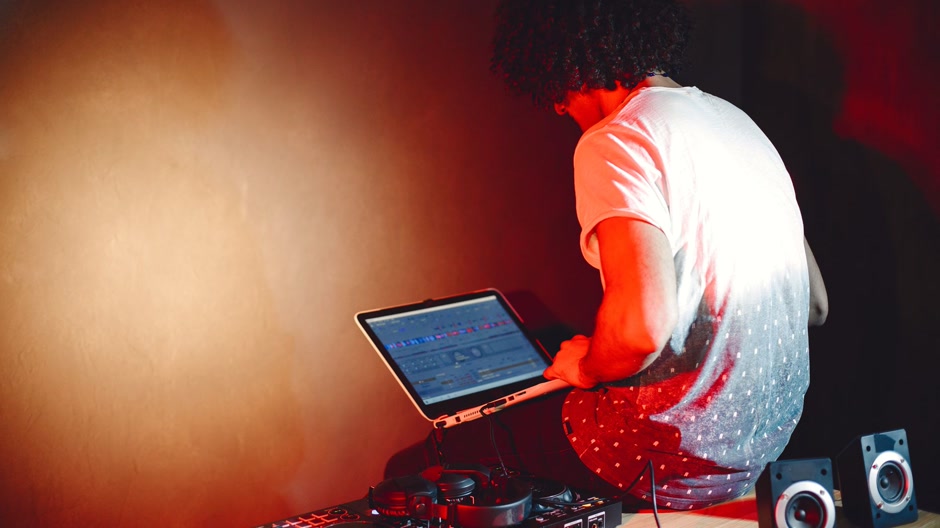
One file or one link, never both
Two habits survive contact with real inboxes. A single MP3 attached, named properly, or a private stream link he can open on a phone in ten seconds. What kills messages is everything else: a ZIP that hits an attachment filter, eight links with no order of reading, a shortener nobody wants to click.
Tag the beat like a producer, not like a watermark. A voice tag at the start and once in the middle protects you and still lets the arrangement be heard.
Say the licence in one line
Most rappers who ignore a beat are not ignoring the music, they are avoiding the awkward conversation about money. Take that away in the first message. Free for non profit, a lease if he releases it, an exclusive price if he asks, and one link to the licence terms so the answer is already written down.
That line filters too: whoever wants a free beat for a paid release was never going to buy one, and being clear early saves two weeks of messages that end nowhere.
Follow up once, then stop
One follow up, seven to ten days later, is normal and useful: it arrives when the first message has already scrolled away. A second one reads as pressure, and the artist remembers the pressure longer than the beat.
Keep a list instead of a grudge. Send him something new in three months, in the same lane, one track, same format. Producers get placements from the fourth message as often as from the first, which is why the ones who last keep sending and never argue.
FAQ
Can I send beats to artists by Instagram DM?
Yes, and for independent artists it is often faster than email. Send the less compressed version of the file only if he asks, keep the first message under four lines, and expect the DM to be read late at night rather than immediately.
Should the first beat be free?
Free to try, not free to release. Say both things in the same sentence, so the artist can record a demo without feeling sold to and still knows what a release costs.
How many beats should I send at once?
One. Two at most, and only when the artist asked. Each extra file lowers the chance that any of them gets heard properly.
What if the artist asks for the untagged version?
Send it when there is a real session, a written agreement or a payment, and keep the file named and versioned. An untagged beat sent to a stranger is a beat you gave away, whatever the conversation said.
Do big artists answer these messages?
Rarely, and usually through a manager or an A&R who already knows the producer. The realistic path is a smaller artist who is growing, or an artist you can reach directly, and the catalogue is what convinces the ones who do open the message: browse the instrumentals or a single lane like trap and send the one beat that fits the person.


