
What Is Lo-Fi Music? Tape Hiss, Dust and the Beat
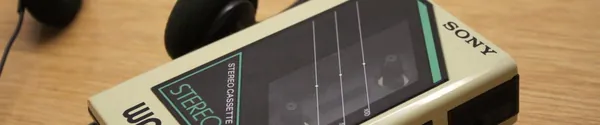
Lo-fi music is the rare case of a genre named after its own defects. The word is short for low fidelity, and it describes recordings where the noise, the limited bandwidth and the wobble of old equipment were kept on purpose instead of cleaned up. In hip hop that idea became a sound of its own: slow instrumentals built on warm samples, drums that land a hair behind the grid and a hiss that works like the air in the room.
If you have left a playlist running while you worked, you have heard it. Where the sound comes from, and why it survived forty years of studios getting cleaner, is the interesting part.
Low fidelity was a limitation before it was a style
The word is as old as high fidelity. The 1976 edition of the Oxford English Dictionary already listed lo-fi as "sound production less good in quality than hi-fi", and the WFMU radio DJ William Berger popularized it in 1986 with a show called Low-Fi. In the 1980s and 1990s it meant cassettes, four-track recorders and home studios, in the same family as DIY punk, and the Tascam Portastudio put a multitrack recorder in bedrooms from 1979.
Nobody chose the noise back then. The noise came with the tape. The deliberate part arrived later, when digital recording made clean cheap and the dust had to be added on purpose.
Where the hip hop half comes from
Lofi hip hop, also called chillhop, mixes hip hop beats with chill-out. The hardware that shaped it carried the effect on the front panel: the Roland SP-303 and SP-404 samplers shipped with a lo-fi button, and a generation of beatmakers learned the sound as a switch rather than a technique.
Two names are usually pointed at as the source. Madvillainy, by MF Doom and Madlib in 2004, is a shared touchstone for the style. On the other side of the Pacific, Nujabes, the Japanese producer whose real name was Jun Seba, built atmospheric instrumentals from hip hop, soul and jazz and scored Samurai Champloo. J Dilla often gets the same godfather title from the drum side: the swing that lands a snare slightly late and slightly quiet is the most copied detail in the genre.
What actually makes a beat sound lo-fi
Strip the mythology and it comes down to a short list:
- Bandwidth. Little or nothing above 10 kHz, so a track sounds like the memory of a song.
- Noise. Tape hiss, vinyl crackle, a room hum. The imperfection is the point and the ear reads it as age.
- Pitch wobble. Slight speed instability gives chords a soft, drunken edge that no clean digital copy imitates exactly.
- Sampled material. Jazz piano, old soul, cartoon soundtracks and self help tapes.
- Space. Drums low, melody back, the middle left empty for a voice or for nothing at all.
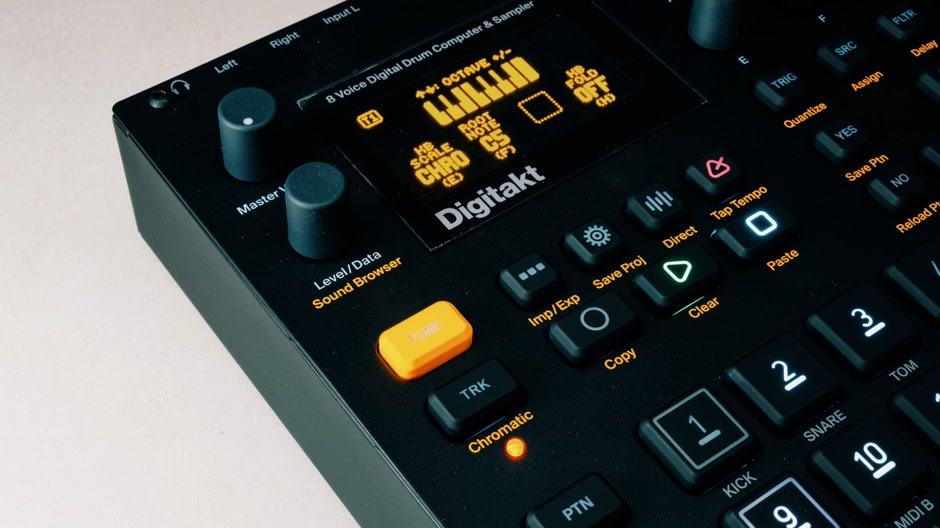
The result is a beat that does not ask to be listened to, which is exactly why it ends up under homework and long drives.
How the loop became a radio station
YouTube opened livestreaming in 2013 and musicians used it to build 24 hour radio stations for microgenres. By 2015 the tags chillhop and lofi hip hop were everywhere among YouTube streamers, most of the music coming from SoundCloud, and by 2018 several channels had millions of followers. Lofi Girl, the French channel founded in 2017 and known then as ChilledCow, fixed the visual template: a student at a desk, a cat in the window.
Viewership jumped again during the 2020 lockdowns. The latest shift is less romantic: in July 2025 Pitchfork reported that AI generated tracks had taken revenue and attention from producers in the scene.
Where these beats fit
Lo-fi is forgiving to write over. The loops are long, the low end is soft and nothing competes with a vocal, which makes it a good first genre for someone learning to record. It is also a genre where the gap between a good beat and a forgettable one is in the drums and the noise floor, not the chords.
Not Sick Anymore is a lo-fi hip hop instrumental in that tradition: dusty drum machine, a sampled feel and room for a verse. It sits with the rest of the style on the lo-fi type beats page, and the whole instrumental catalogue is licensed the same way.

Frequently asked questions
What is lo-fi music?
Music where imperfections studios normally remove, such as hiss, distortion, a narrow frequency range and pitch wobble, are left in or added on purpose.
Is lo-fi the same as lofi hip hop?
No. Lo-fi is a production quality that turns up in rock, pop and electronic music. Lofi hip hop, or chillhop, is the hip hop style built on it.
What makes a beat sound lo-fi?
A narrow frequency range, audible tape or vinyl noise, small pitch instability and drums that sit behind the beat.
Can you rap over lo-fi beats?
Yes. The drums stay quiet and the loop repeats, so a vocal sits on top without fighting the arrangement.
Do lofi beats have to use samples?
No. Playing the chords yourself with saturation and a low pass gets the same character and avoids a clearance problem.


