
Home Studio Setup for Beginners: Build It in the Right Order
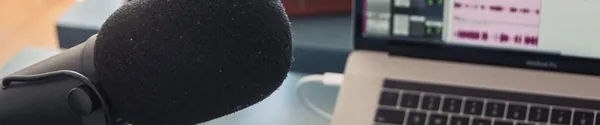
Most people who search for a home studio setup for beginners buy the wrong thing first. They buy a condenser microphone because it looks professional, plug it into the laptop's headphone jack and discover that the take hisses, clips and picks up the fridge two rooms away. The gear was not the problem. The order was.
A home recording setup for beginners is a chain, and each link only passes on what the previous one gave it. That is why a cheap microphone on a decent interface beats a good microphone on a laptop input.
Start with the room, not the gear
Before you spend a single euro, clap once in the space you plan to use. A fast flutter or a metallic tail means that corner will add it to every take and to every mix you make in front of it. A bedroom with a bed, a wardrobe and a curtain is already a better studio than an empty box with expensive speakers in it.
What to buy first, and what to wait for
The short list, in the order it should leave your wallet:
- An audio interface with one or two inputs, a headphone output and phantom power for a condenser.
- A closed pair of headphones you trust, plus a second reference you know well, which can be the car or a phone speaker.
- One microphone, chosen for your room and not for a spec sheet.
- A pop filter, a stand and a cable. Boring, cheap, and the reason a take is usable.
- Treatment: thick panels or blankets at the first reflection points, and something behind the singer.
- Monitors, last, and only when the room can support them.
The audio interface is worth the money
If you only stretch the budget in one place, stretch it here. A decent interface gives you a clean preamp, a headphone amp that can drive real headphones and drivers stable enough that the software does not drop out mid take. A cheap unit with unstable drivers crackles under a full project and you end up blaming the computer.
Two inputs is the sweet spot. One is enough for a solo vocalist, two lets you record a friend or a guitar and a voice later. Skip anything with a single combined jack that forces you to choose between a microphone and an instrument.
Studio monitors or headphones?
Both, in this order. Headphones first, because they work in an untreated room, they do not annoy the neighbours at one in the morning and they cost less for the same quality. Closed ones for tracking, so the click does not bleed into the microphone, and open ones for mixing if the budget allows a second pair.
Monitors only make sense once the room can take them. Two speakers in a bare bedroom show you a bass response that is mostly the room talking, and you spend months mixing around a problem that is not in your song. Put them at ear height and form a triangle with your head.
Acoustic treatment on a small budget
You do not need a professional studio to record a clean vocal. A thick duvet hung behind the singer, a wardrobe full of clothes on one side and a rug on a hard floor already make an audible difference.
When you do buy treatment, buy thickness, not coverage. Two thick panels at the reflection points do more than a wall of thin foam, which mostly eats the top end and leaves the low mids bouncing. That is the beginner version of a better sounding project and it is where the money shows up immediately.
Recording a vocal in a bedroom
With the chain in place, the take is a matter of distance and gain. Stand a hand's width from the pop filter, set the gain so the loudest line peaks around three quarters of the meter, and record standing up. Sitting folds the body over the chest and takes the energy out of the delivery before the microphone hears it.
Record to a beat you would actually release on, not to a loop you settled for. Space in the middle of the bar is easier to ride than a dense arrangement, and a slow pocket hides a beginner's timing better than a fast one. Intimacy is a good test track for a first session: warm keys, a relaxed drum pocket and enough room between the hits to hear what your room is doing to your voice.

If the recording still sounds thin, move closer to the microphone before you buy anything else. And if you are deciding which software to open, settle the DAW question first, then pick two or three instrumentals in different moods so the first sessions are about your voice and not about the gear.
Questions beginners ask
Do I need an audio interface to record vocals?
Yes, if you want a clean take. The laptop's built in input is noisy, has no phantom power and no usable gain control. A basic two input interface costs less than most microphones and improves every recording that follows.
Can I build a home studio setup in a small bedroom?
You can, and most people do. Work with the soft surfaces you already have, record close to the microphone and mix on headphones until the room is treated. The obstacle is not the size, it is the bare parallel wall behind the singer.
Are studio monitors better than headphones for mixing?
In a treated room, yes. In a bedroom, headphones are more honest, because they remove the room from the equation. Check the mix on the cheapest speaker you own, which is where most listeners will hear it.
How much should a beginner spend on a home studio?
Enough for an interface, one microphone, a stand, a cable and closed headphones. Everything else can wait until the room and the songs ask for it.


