
Music Royalties Explained: Who Gets Paid for a Rap Song
The first time a song starts earning, the question that lands in the inbox is always the same: who gets paid, and how much. Music royalties explained without the label jargon comes down to two copyrights, four streams of money and one piece of paper signed before release. Recording over a leased beat puts you on both sides of that split, because you own the recording and somebody else owns the composition underneath it.
The two copyrights behind every song
Every track carries two separate rights. The composition is the writing: melody, chords, arrangement, lyrics. The master is one specific recording of it, the file you mixed and exported.
When you lease a beat you take a licence to the composition and record a new master on top. Here the producer keeps the copyright of the instrumental while you keep the recording, which is why a lease never says the beat is yours and an exclusive buyout does. The licence terms spell out every cap, from copies to radio stations.
The four royalty streams
Money arrives through four doors, and each one is collected by somebody different:
- Mechanical royalties pay for reproducing the composition: downloads, physical copies and the mechanical share of on demand streams. The US sets a statutory rate revised every few years; elsewhere it is negotiated, and in the UK the rate has sat at 6.5% of retail price, or 8.5% of the published wholesale price.
- Performance royalties pay for the song being played in public: radio, TV, venues and streams. ASCAP, BMI and SESAC in the US, PRS in the UK or SGAE in Spain collect them and pay writers and publishers.
- Sync royalties are a one off fee for pairing music with picture, negotiated per project, and they need the composition and the master cleared.
- Digital performance royalties cover the recording itself. In the US, satellite and web radio pay through SoundExchange, which splits the statutory money 50% to the label, 45% to the featured artist and 5% to session players and vocalists.
Notice who is missing from most of that list: the performer. In the US, performance royalties on the composition go to writers and publishers, not to the artist singing it.
What royalty free means in a beat licence
Every licence sold here is royalty free, and that phrase confuses more buyers than any other. It does not mean the song generates no royalties. It means you owe the producer nothing after the purchase: no percentage of your streams, no cut of a sync fee, no invoice when the song takes off.
What you owe is credit and respect for the caps of the licence you picked. A Basic lease covers 2,500 copies and 250,000 streams, Standard doubles both, Stems reaches 1,000,000 streams, Unlimited and Extended remove the ceilings but run for 3 and 10 years, and the Full Exclusive Buyout is the only one that ends with the beat belonging to you.
The part that surprises people: the stream cap is a copyright issue, not a billing issue. Past it, the licence no longer covers those plays, so they are unlicensed even though you paid once. Upgrade while the beat is still available. A dark hip hop type beat for a small focused release does not need the same tier as a record you expect to push past a million streams.
Splits: the page that saves the friendship
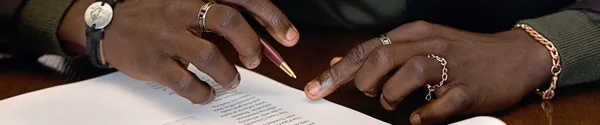
Royalties follow ownership, and ownership follows what was agreed. A split sheet is one page: song title, the writers involved, their percentages and who administers what. Composition percentages add up to 100 across the writers, and the master split is a separate talk about who paid for the recording.
Two registrations follow. The composition goes to a performing rights organisation under each writer's name, and a fair publishing deal still divides every 100 units into 50 for the writer and 50 for the publisher. The master goes to your distributor, which also collects the mechanical and performance money that streaming brings. An unregistered song earns less than a bad deal.
Before you release: a short checklist
- Write the split while the session is still open, not after the song charts.
- Save the licence PDF from the purchase email, it proves your caps and your term.
- Register the composition, credit the producer, and keep that credit identical everywhere.
- Decide who handles Content ID. The instrumentals here are registered, so a licensed video gets whitelisted once the purchase details arrive.
FAQ
Are type beats royalty free?
Yes, no ongoing percentage goes to the producer. The song still earns mechanical and performance royalties like any release, collected by your distributor and your performing rights organisation.
Do I owe the producer royalties after buying a lease?
No, the price you paid is the whole payment. What the producer keeps is the copyright of the composition, which is why credit and caps still matter.
What happens when my song passes the stream cap?
The licence stops covering the new streams. Buy the next tier while the beat is on sale, because an exclusive beat cannot be upgraded later.
Can I monetize a YouTube video with a leased beat?
Yes, with a licence that allows commercial use and after the claim is cleared. The composition is registered with Content ID, so an initial claim is normal and gets removed once your purchase details reach the producer.
If you want to hear what a cleared catalogue sounds like, start with the beat catalogue or go straight to hip hop instrumentals.


