
Japanese City Pop: A Starter Guide and a Top 10 of Songs

Japanese city pop is the sound of a Tokyo that mostly existed in advertisements: night drives, hotel bars, cassette decks, and lyrics about being lonely in a city that looks like a postcard. It appeared in the late 1970s, peaked in the 1980s, and spent decades being called cheesy at home while almost nobody outside Japan had heard of it. Below: what the term really covers, the story of the song that brought it back, and a top 10 of city pop songs to start with, each one with a video.
What city pop actually means
The name is a Japanese-made English term, and it was commercial before it was critical. Japanese labels and music magazines started using "city pops" in the late 1970s to sell music with an urban, sophisticated atmosphere: a Tomoko Soryo album was marketed that way in 1977, and a magazine article the same year grouped Minako Yoshida, Tatsuro Yamashita and Junko Ohashi under the same heading. The idea stayed loose ever since, which is why no two people define it the same way. The shortest version worth keeping comes from Yutaka Kimura, who has written several books about it: urban pop music for people with urban lifestyles.
Musically it is less a genre than a set of borrowing habits. The chords come from jazz and American soft rock, major sevenths and passing diminished chords that make a simple progression sound expensive. The bottom end comes from funk and boogie, the vocals from R&B, and synths are there as colour rather than as the point. Underneath sits the contradiction that explains why the songs last: an upbeat arrangement carrying a lyric about loneliness. Inside Japan the genre's reputation sank after the 1980s, and the revival came from outside: blogs and reissues around 2010, then YouTube's recommendations, then vaporwave producers sampling the records, and finally a generation that never knew any of it had been considered embarrassing.
The sad story behind Stay With Me
"Mayonaka no Door", known outside Japan as Stay With Me, was the debut single of Miki Matsubara, released on 5 November 1979 and written by Yoshiko Miura with music by Tetsuji Hayashi. She was 19 when she recorded it, two years after moving from Osaka to Tokyo to sing in clubs, and Hayashi later said her voice sounded older than she was, jazzy and even sexy. It peaked at number 28 on the Oricon chart: a good debut, not a landmark.
Matsubara worked for two decades, anime themes included, and in 2000, after a cancer diagnosis, she retired and cut off contact with the music industry. She believed the illness had come from the lifestyle her career demanded of her. She died of cervical cancer on 7 October 2004, aged 44.
Sixteen years later the song went global. In October 2020 an Indonesian singer's cover started a wave that moved through TikTok, where people filmed their Japanese mothers recognising the melody, and then through streaming: "Mayonaka no Door" took number one on Spotify's global viral chart for the week of 10 to 16 December 2020, broke into Apple Music's J-pop top 10 in 92 markets, and in July 2026 passed 500 million Spotify streams, the first Japanese song released in the 20th century to get there. She never saw any of it.
Top 10 city pop songs to start with
The order works as a playlist rather than a ranking. One note: where a record only exists on YouTube as official audio from the label's own channel, it says so, because several of these never got a proper video.
1. Miki Matsubara, "Mayonaka no Door (Stay With Me)" (1979)
The guitar figure that opens it is the genre in eight seconds. Five minutes of disco-leaning city pop over a bass line that never rushes, with the English title phrase planted inside a Japanese lyric, which is what Billboard credited for pulling in listeners who did not speak the language.

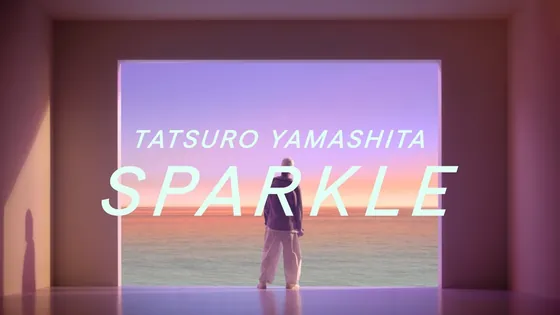
2. Tatsuro Yamashita, "Sparkle" (1982)
From For You, January 1982. Yamashita is the artist most often called the king of city pop, and he guards his catalogue so carefully that his own channel posted a music video for this song only in 2023, forty years late. Electric piano, chorus-heavy guitar, and a lot of room left around the vocal.
3. Mariya Takeuchi, "Plastic Love" (1984)
Written by Takeuchi, arranged and produced by Yamashita, and a flop on arrival: it peaked at number 86 and sold fewer than 10,000 copies. In 2017 an eight-minute fan edit was picked up by YouTube's recommendations and passed 22 million views by 2019, while the original was still missing from streaming, which is why it has been called an invisible hit. A 2021 vinyl reissue went to number five in Japan. The lyric is about deciding love is a game; the arrangement never lets on.

4. Taeko Onuki, "4:00 A.M." (1977)
The oldest song here, from Sunshower, July 1977. Onuki had been in Sugar Babe with Yamashita before going solo, and this is where the Japanese "new music" of the decade turns into what people later labelled city pop: jazz chords, a walking bass, barely any percussion. Official audio.
5. Anri, "Last Summer Whisper"
Anri is one of the japanese city pop artists the new generation latched onto hardest, partly through Timely!!, her 1983 album made with Toshiki Kadomatsu. This is the summer-night side of her sound: arpeggiated guitar, a bass line that carries the song, and a vocal mixed so soft it passes for another instrument. If "Plastic Love" is the city, this is the drive home.

6. Junko Ohashi, "Telephone Number"
Ohashi was already being grouped under the "city pops" heading in the Japanese music press in 1977, and by the start of the next decade she was making records like this: clipped funk guitar, a synth bass doing the heavy lifting, and a chorus that behaves like a hook rather than a release. Yoshiko Miura, the lyricist behind "Stay With Me", wrote this one too.
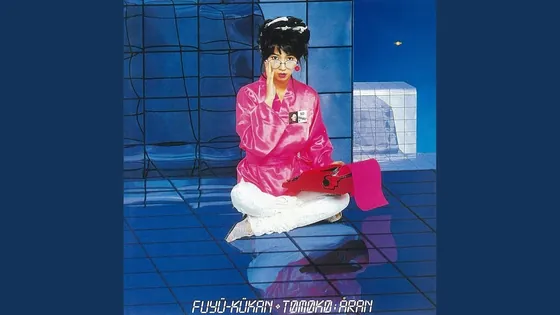
7. Tomoko Aran, "Midnight Pretenders" (1983)
From Fuyu-Kukan, May 1983, and the after-midnight end of the genre: slower, wetter, drum machine forward. It stayed obscure for decades before collectors and playlists found it, which makes it the clearest case here of a city pop song being rediscovered rather than revived. Official audio.
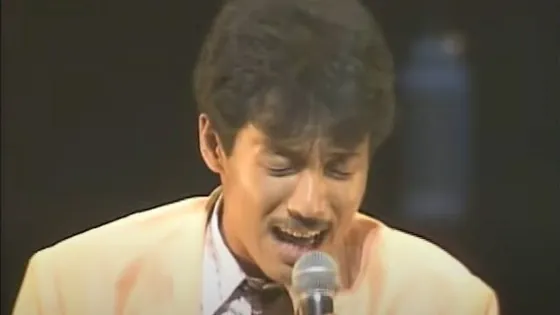
8. S. Kiyotaka & Omega Tribe, "Summer Suspicion"
The seaside branch of the family: harmony vocals, saxophone, and a production that sounds like a Japanese summer radio hit because it was one. Yacht pop is the honest label for this side of city pop, and the official video is a reminder that this music was built for television as much as for records.
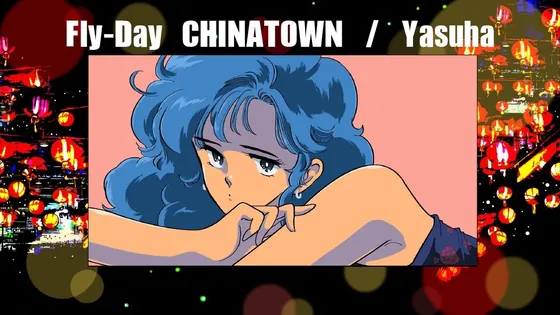
9. Yasuha, "Fly-day Chinatown"
An early 1980s single with a mandolin-flavoured line and a hook that refuses to leave. It is one of the tracks that carried city pop abroad decades later, soundtracking a whole visual aesthetic of its own on short video clips. Fewer jazz chords, more straight pop, which helps if the genre has started to sound samey to you.
10. Kaoru Akimoto, "Dress Down"
From the album Cologne, which followed her 1985 debut, released as the decade and the bubble were running out. Drum machines are louder in the mix here than in anything else on this list, and the song sat unheard for thirty years before collectors and reissue labels put it back in circulation. Play it last and you have the arc: jazz, disco, boogie, machines.

What a producer can take from these records
Three things travel into modern beats, and none of them needs a sample pack. The bass lines are written as melodies, not as root notes: they move, they leave gaps, they are usually the most interesting thing in the mix. The chord voicings do the emotional work, major sevenths and ninths making a simple progression sound like it costs more than it does. And the arrangements repeat on purpose, four or eight bars at a time, which is why a loop cut from a 1983 record can still hold a whole song up.
What these records will not give you is clearance: the catalogue belongs to labels that are fully aware of its value now. If you want the palette without the paperwork, the same corner of the room exists in our catalogue: a disco funk instrumental with the boogie bass and bright chords already in place, plus the disco and funk pages. For the slower, after-midnight version the lounge and chill sections get closer, and everything else is in the full catalogue.
Frequently asked questions
What is city pop in one sentence?
Japanese pop music from the late 1970s and the 1980s that borrowed jazz, funk, boogie and soft rock from American records to write about city life, usually with an upbeat arrangement over a melancholy lyric.
Why did Stay With Me become popular so late?
The record was a modest hit in 1979, the singer left the industry in 2000 and died in 2004, so nothing was being promoted. A cover uploaded in October 2020 restarted the song outside Japan, short video clips carried it further, and streaming finally had the original available to keep it alive.
Is city pop still being made?
Yes, in two directions. Contemporary artists cite it openly, and the labels treat the back catalogue as a living thing: Universal Music Japan reissued 107 albums from the 1970s and 1980s in a city pop series in 2022, Sony followed in 2023, and vinyl pressings of albums like Variety now chart in Japan on analog sales alone.
Where should I start if I only want one album?
Variety by Mariya Takeuchi if you want the songs, or Timely!! by Anri if you want the playing. Both explain the genre better than any description of it.
Play the ten, keep the three or four that stay with you, and the rest of the catalogue opens on its own. If what you want is the sound underneath the songs, that palette has an instrumental version in the lounge and chill sections, and in the instrumentals page where the new ones land first.


